It’s almost two years since I moved to Japan, and I still hadn’t written a travel itinerary for the country. It feels long overdue, but life gets in the way and time is always scarce. At this point, though, I know the ins and outs of traveling within Japan from lived experience as a resident. I’ve traveled quite a bit around the country, and I feel like I owe my readers a guide.
When I first arrived to Japan, I spent my first three weeks exploring before settling down. Since then, I’ve continued traveling whenever I can, discovering new places at a slower, more grounded pace.
As a girl coming from Kenya, I want to start with something that often gets overlooked: the visit visa process. This is something that affects many of us who don’t hold strong passports. Ironically, I was denied a Japanese visit visa on my first attempt, only to later receive a resident visa.
If you’re applying for a visit visa, make sure your bank account is solid with regular transactions, and that you have clear ties back home, whether through work or school. Your employer or institution should be able to vouch for your return. A good travel history helps and the source of your funds should be very clear. One thing I appreciate about Japan is that the embassy doesn’t charge visa fees unless your application is approved — unlike many embassies that charge hundreds of dollars and still reject applications with no refunds.
This guide will be a five-part series, covering five prefectures in this order: Tokyo, Hokkaido, Kyoto, Nagano, and Okinawa.
Tokyo
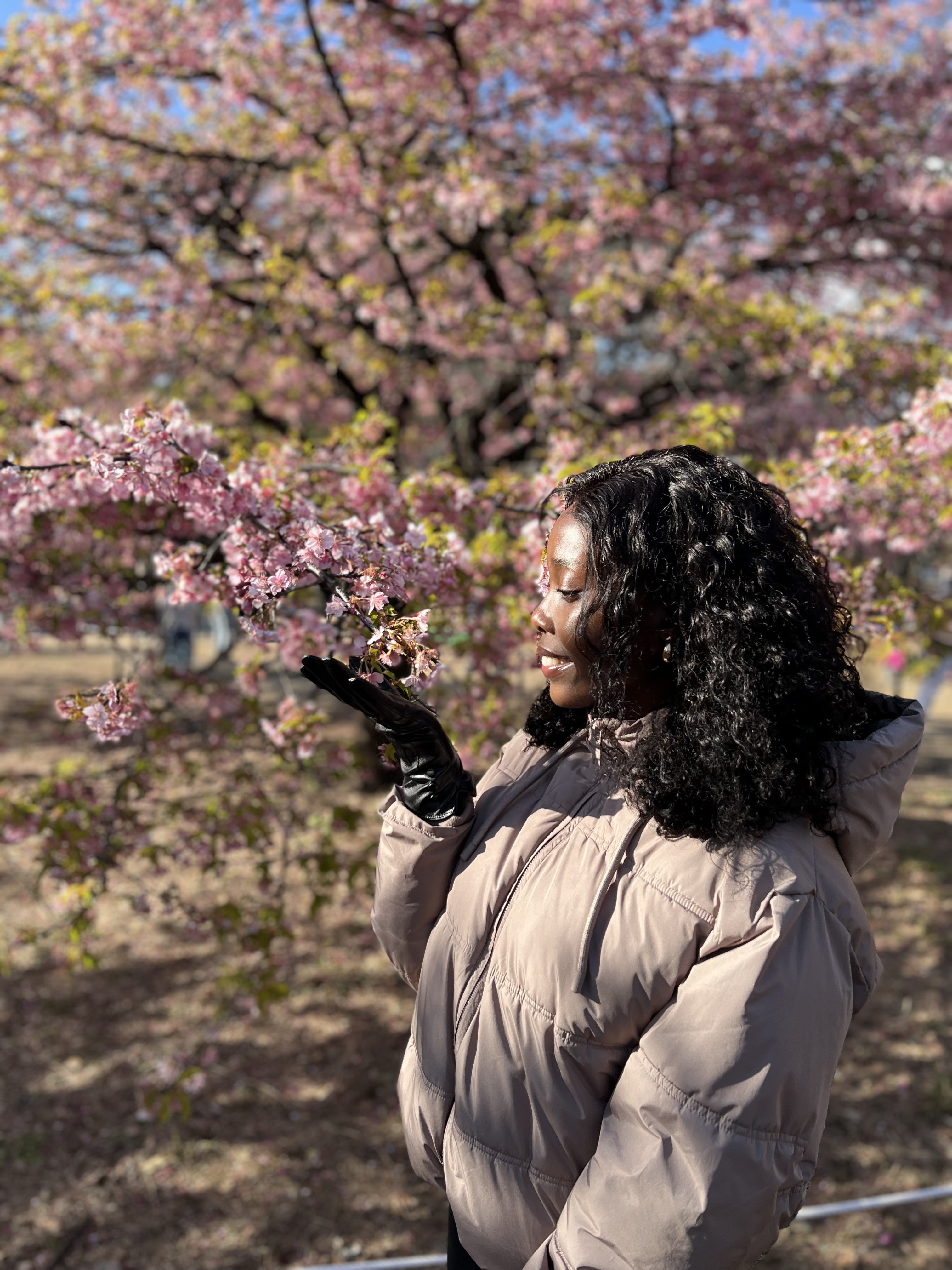
This is where most people land and where many journeys begin. I’ve said this before: I don’t usually care much for big cities when I travel, but Tokyo is an exception. It’s a city you shouldn’t skip, even if only briefly.
Tokyo has a personality of its own and is currently the heart of Japan. It used to be Kyoto, but historical and political changes shifted that role — something worth looking up if you enjoy history.
If you’re into good food, fashion, gaming arcades, nightlife, theme parks, and trains, Tokyo will definitely interest you. The sheer size of the city can be overwhelming, but knowing where to focus makes all the difference.
Accommodation
You might think staying in the city center is best, but staying on the outskirts isn’t a bad idea at all. Tokyo’s train system is incredibly efficient, so getting around is easy once you understand it.
When I first arrived, I stayed in Akasaka, which is fairly central. In hindsight, I could have stayed in Yokohama, a cheaper city right next to Tokyo, saved money, and still explored Tokyo comfortably.
Accommodation options range from hotels and Airbnbs to hostels. Booking.com and Hotels.com are good places to start.
Getting Around
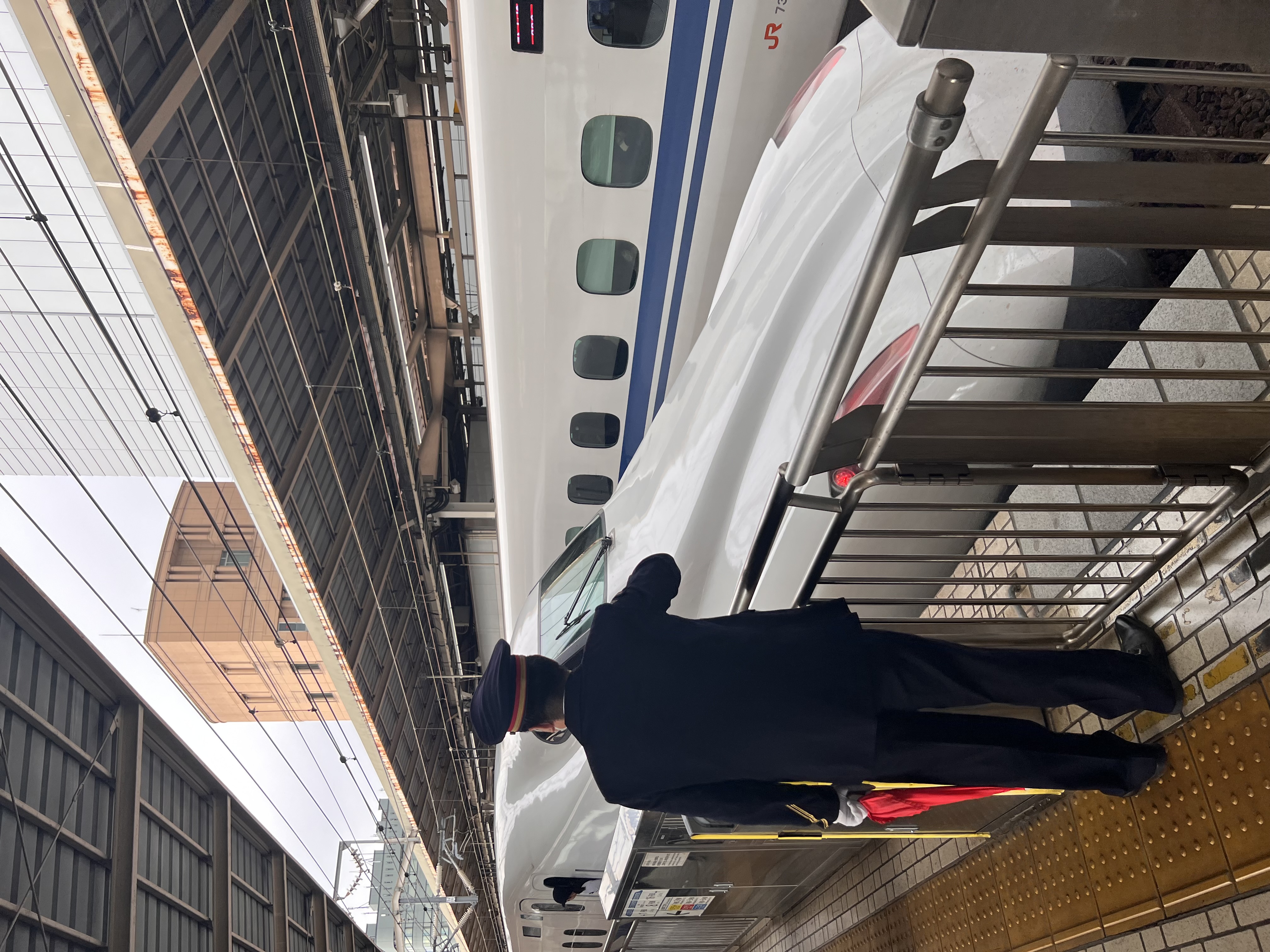
Understanding the subway system is crucial. You’ll be using trains most of the time unless you’re willing to spend a small fortune on taxis — and I’m not exaggerating. A 20-minute taxi ride can easily cost around $100.
The best option is getting an IC card (Suica or Pasmo), which you load with money. iPhone users can add Suica directly to Apple Wallet and top it up with a credit card. Android users can use Suica or Pasmo via supported apps, depending on their device.
From the Airport to the City
Taxis from Narita or Haneda are extremely expensive — a one-hour ride can cost over $200. A much cheaper and easier option is taking an airport bus, which you can book at counters just outside the arrival gates. Most buses allow up to two suitcases per person.
If you have a lot of luggage, luggage delivery services like Yamato Transport are a lifesaver. They’ll deliver your bags to your accommodation within a day or two.
What to Do in Tokyo
Shibuya
One of Tokyo’s most famous districts, with plenty to do. Here are activities to do in Shibuya:
Visit Yoyogi Park
.jpg)
Great for walking, picnics, reading, or just relaxing. You’ll often see street performers. The first time I visited, I watched a guy painting while dancing — bizarre but entertaining.
Karaoke
Japan is the birthplace of karaoke, so you have to try it. You don’t need to sing well — honestly, the worse, the better. Many places offer unlimited drink packages, making it a fun group activity.
Ramen and Sushi
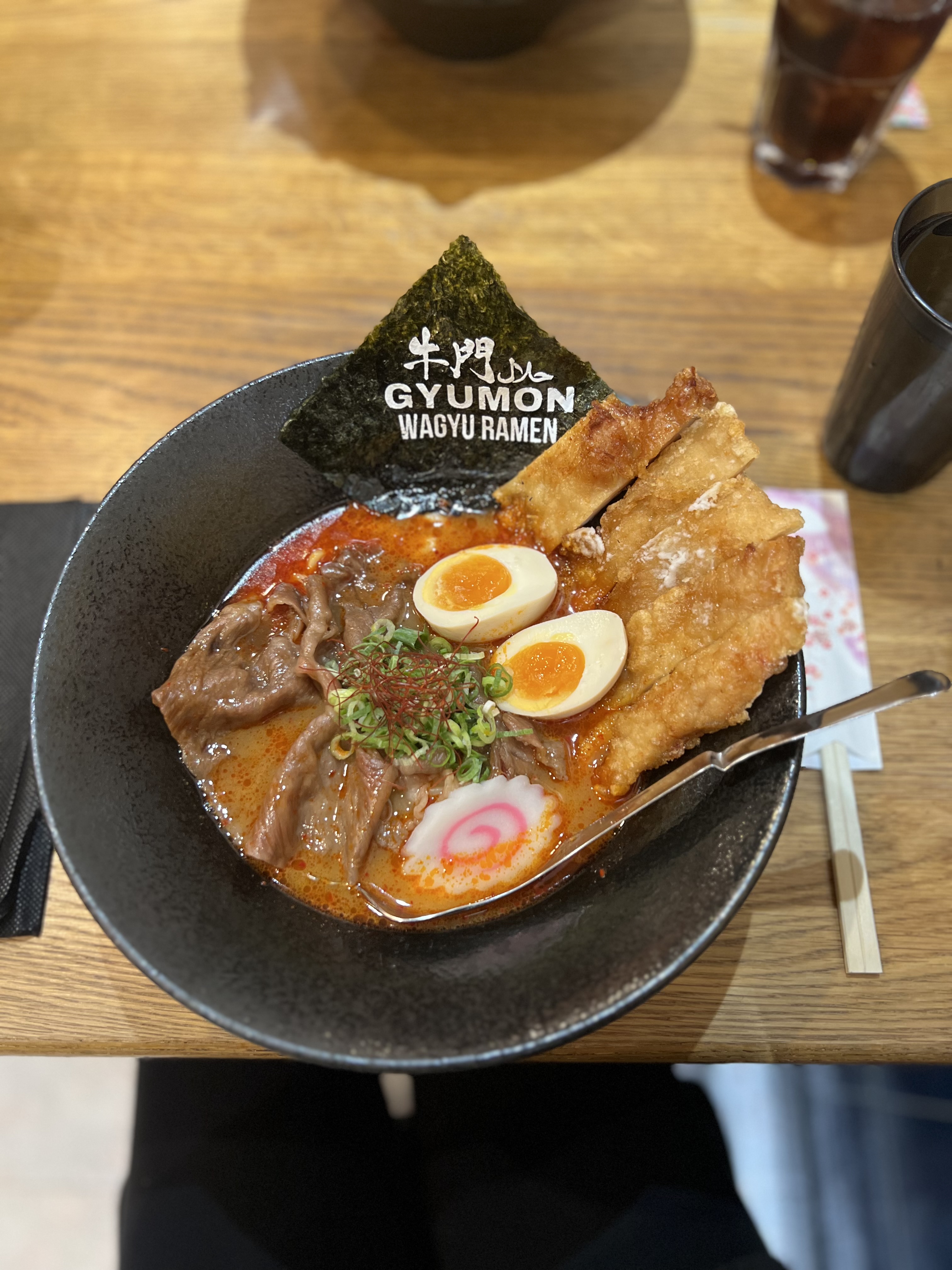
Ramen favorites:
- Ichiran Ramen- a popular and unique ramen chain restaurant (expect long queues of upto 1 hour)
- Wagyu beef ramen at Gyumon Wagyu Ramen- the best ramen I have ever had though it is quite expensive (it's halal ramen too)
- Tantamen ramen- you can get tantamen ramen at most local ramen shops, it's thick, creamy and spicy
Sushi spots:
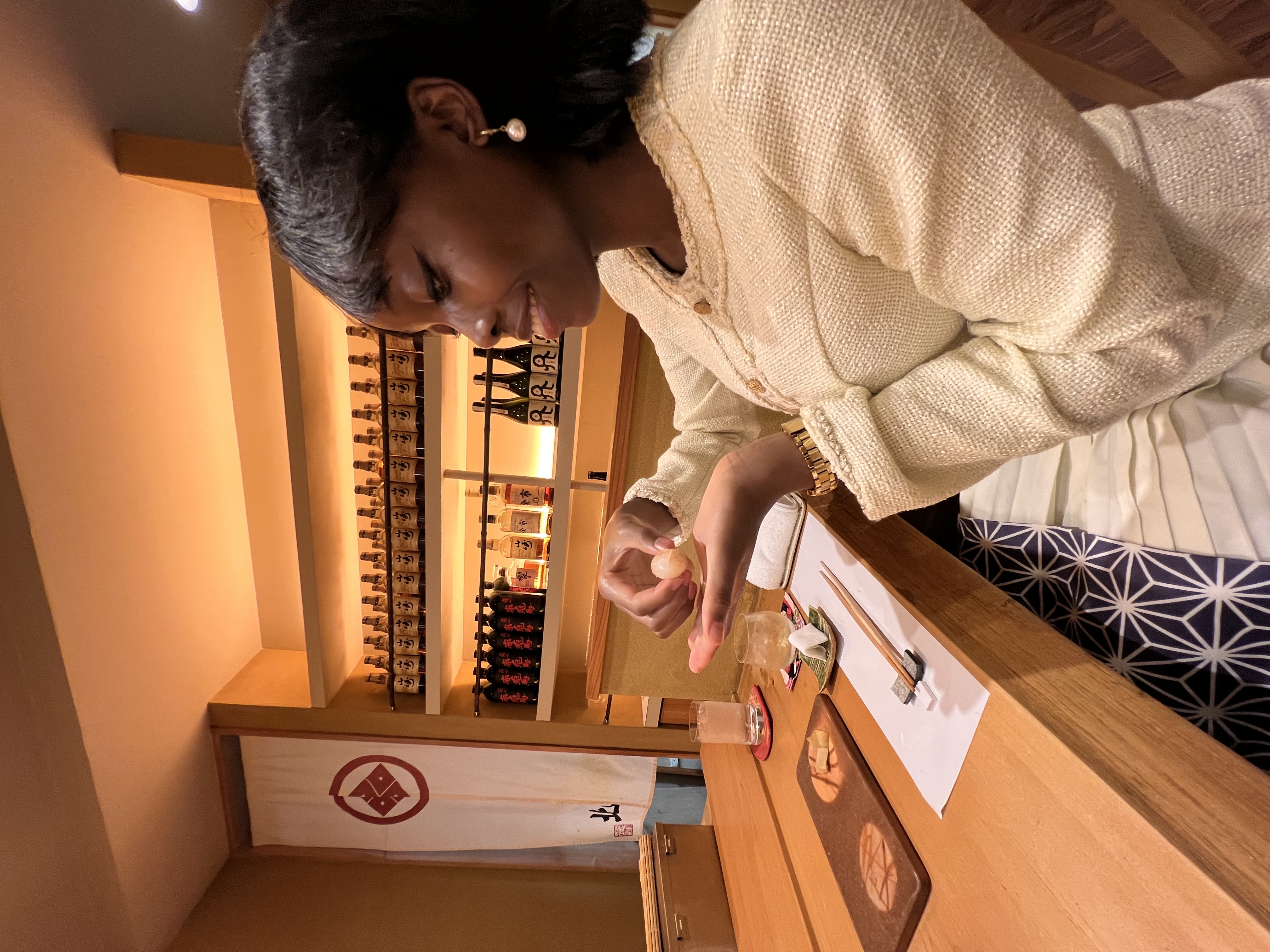
- Sushiro- expect long queues of upto 1 hour
- Hamazushi
- Uobei- hardly ever has long queues
These are conveyor-belt sushi chain restaurants.
You can also try omakase, where the chef selects and makes the sushi right in front of you- it can be very expensive and reservations are almost always needed. Note that most high end restaurants need reservations. During peak seaons, reservations are made weeks if not months in advance.
Shopping & Cafés
Tokyo is big on vintage clothing, vintage cameras, and anime merchandise. You’ll find both international brands and local designers. The cafe scene is also popping with all sorts of themed cafes.
Animal Cafés
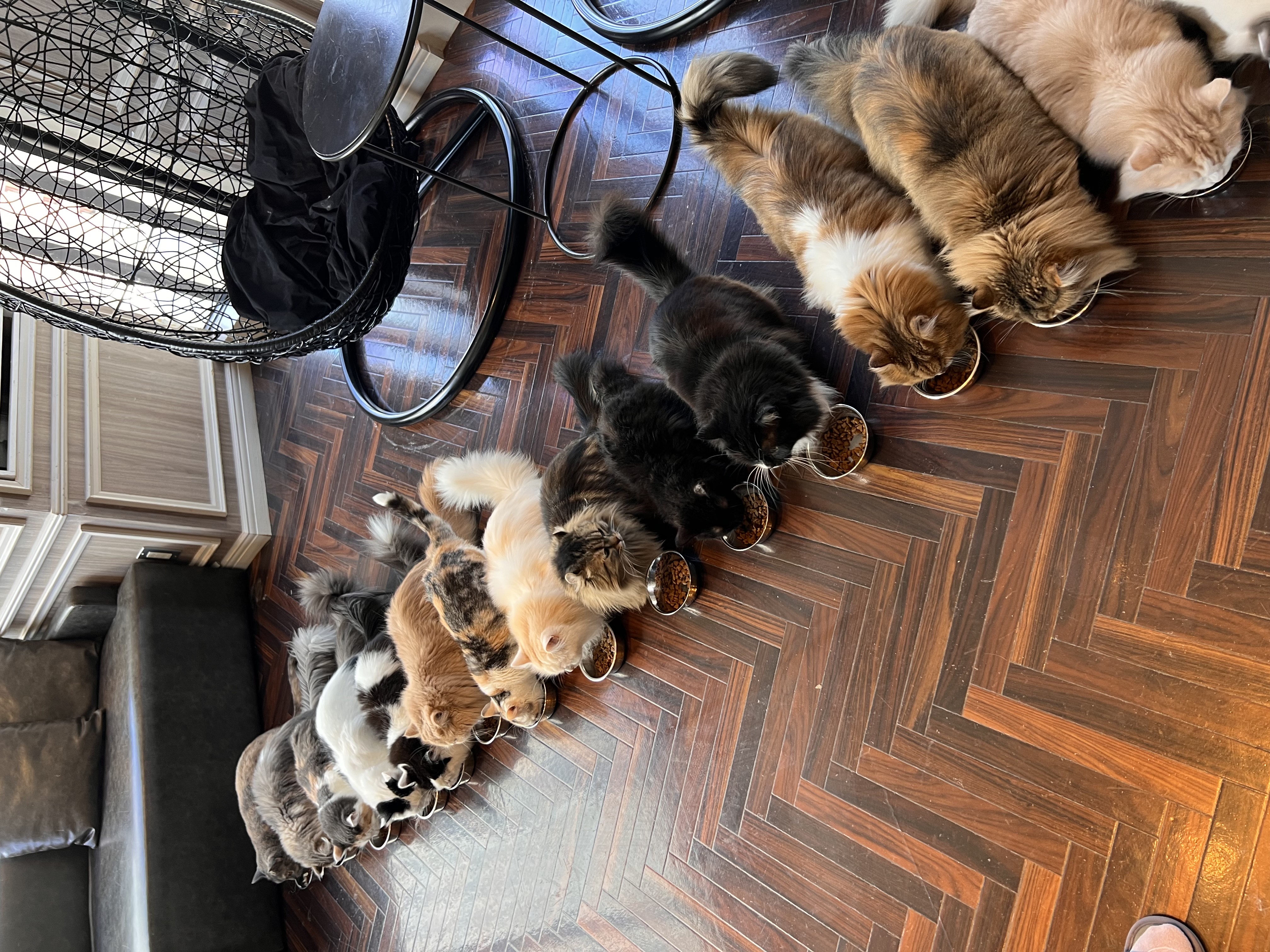
If you love cats like me, cat cafés are everywhere. There are also dog, pig, and other animal cafés. It was a culture shock for me at first, but I’ve come to appreciate the concept.
Famous Spots
Shibuya Crossing and the Hachiko statue are ordinary places made special by their history and symbolism.
Shinjuku
This is another popular district in Tokyo, renowned for it's nightlife and flashing neon lights. Here's what to do in Shinjuku.
Gaming Centers
There are plenty of gaming arcades in Shinjuku. Gaming is taken seriously here and seeing adults in arcades was a culture shock for me. Other gaming hubs include Akihabara and Ueno.
Nightlife
Kabukicho is the nightlife center, with clubs, karaoke spots, and izakayas. Golden Gai is famous for its izakayas(Japanese style pubs) and hole-in-the-wall bars.
Shinjuku Gyoen
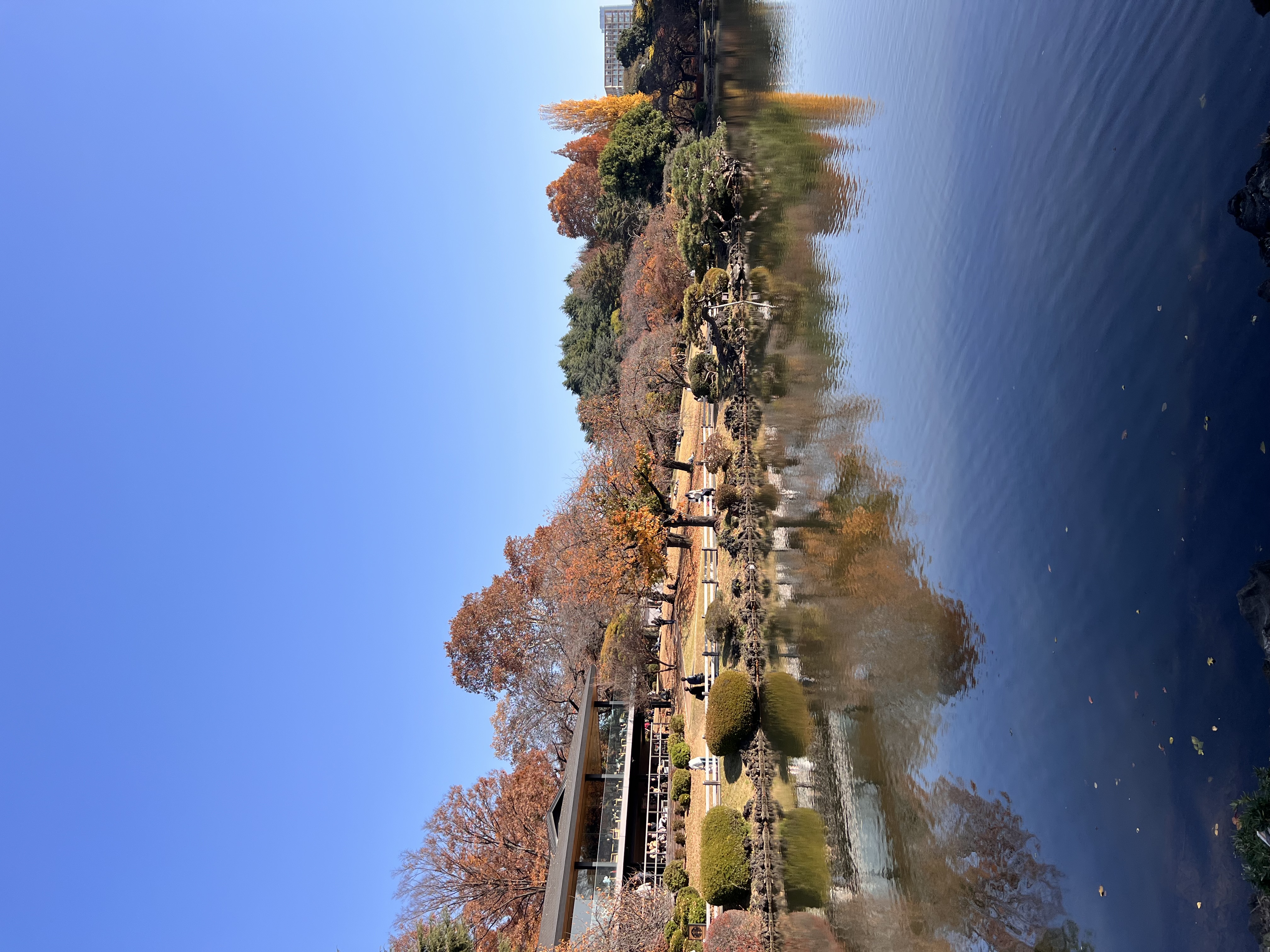
My favorite park in Tokyo. It’s massive and beautifully landscaped with several ponds, a museum, a greenhouse and cafes inside. Entry costs 500 yen, and it closes earlier than most parks. Spring and autumn are especially stunning. It's best for picnics, exercising, relaxing or watching spring and fall colors. During festivals like hanami and momijigari, a lot of locals and residents hold picnics at the park with family and friends.
Asakusa
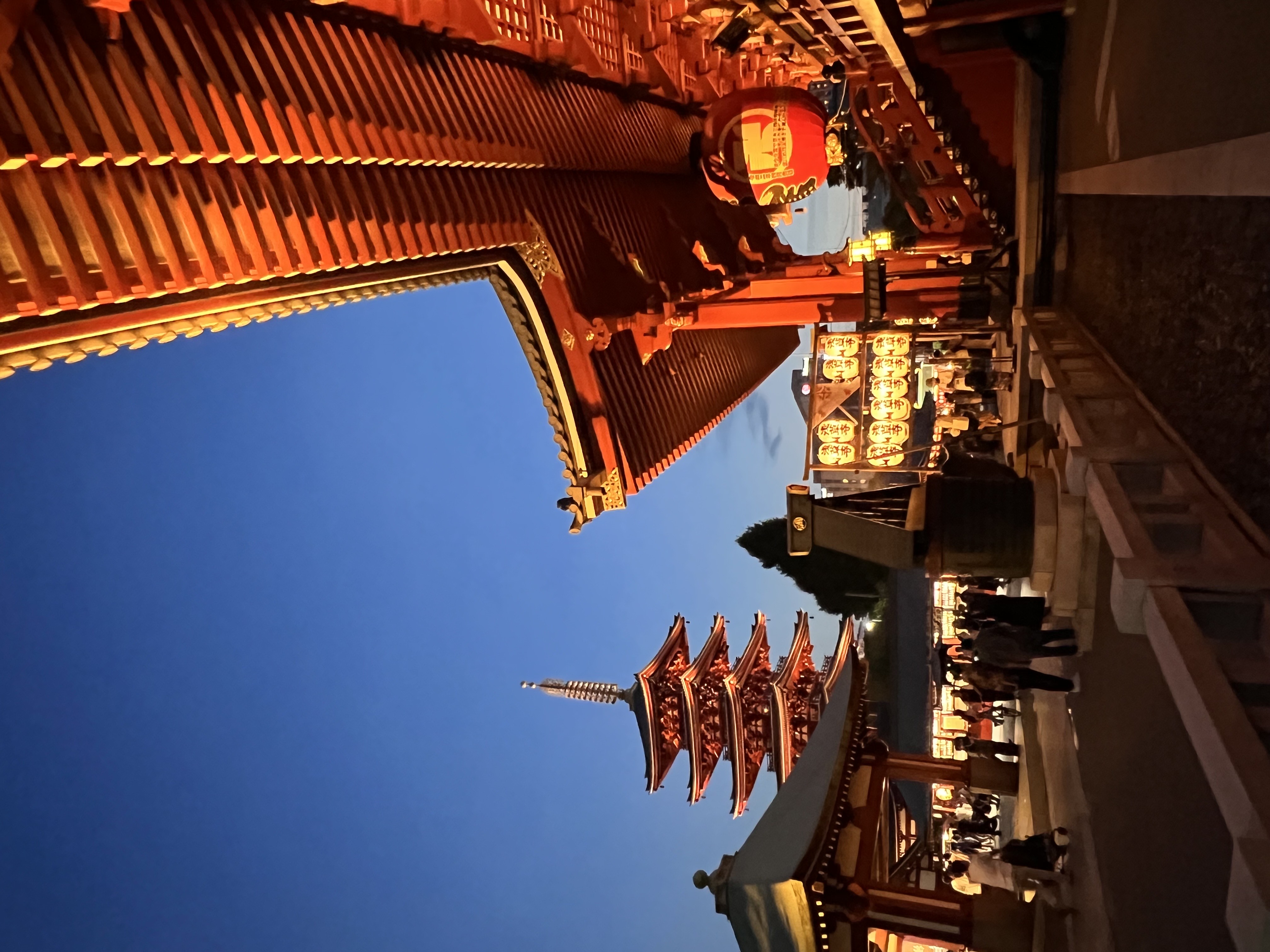
A more traditional district, home to Senso-ji, Tokyo’s oldest temple. The temple complex is impressive, especially at night when it's lit up. The temple has a beautiful pagoda and the entrance is graced with a humongous lantern. The approach to the temple is lined with shops selling snacks and souvenirs. Japanese religious festivals like Tanabata are held here.
There are also several museums near Asakusa, including samurai and traditional art museums. Expect to find traditional snacks and plenty of restaurants selling traditional cuisines here.
Harajuku
.jpg)
Known for cosplay and alternative fashion. Takeshita Street is lined with shops selling souvenirs, costumes and anime merch. It's customary to try the crepes sold here.
Nearby is Meiji Jingu Shrine, surrounded by a peaceful forest and sake barrels at the entrance. It’s a nice contrast to the chaos of Harajuku.
Nature Escapes Near Tokyo
Mount Takao
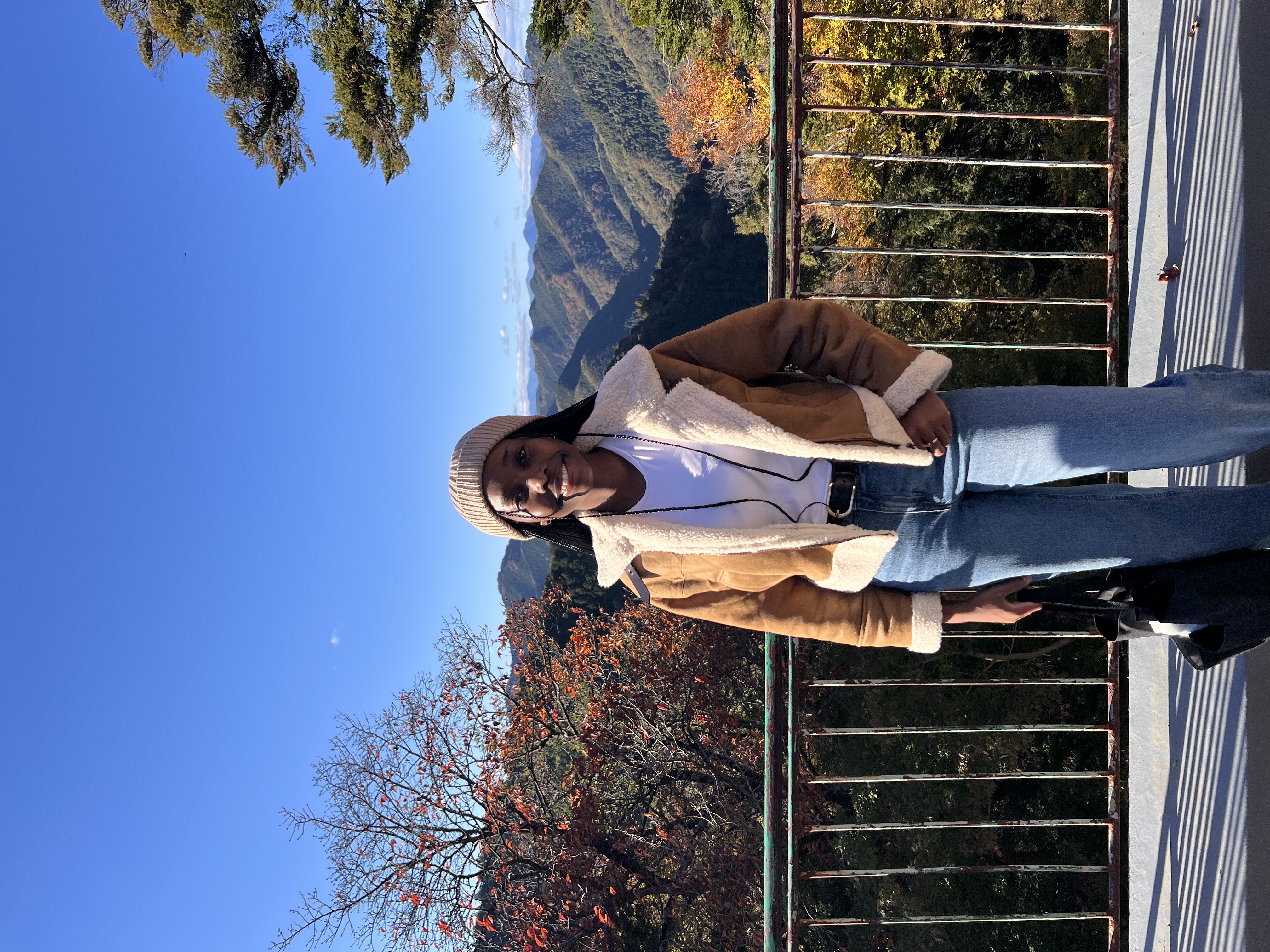
It takes about an hour from Shinjuku station. You can hike or take a cable car to the top of the mountain. The Omotesando trail is literally paved and lined with many temples, a monkey park, soba restaurants, vending machines and stands selling snacks like dango, it's a mixture of hiking and sightseeing. On clear days, you might spot Mount Fuji. The Omotesando trail get's crowded, especially in peak autumn, but quieter forest trails exist.
Okutama
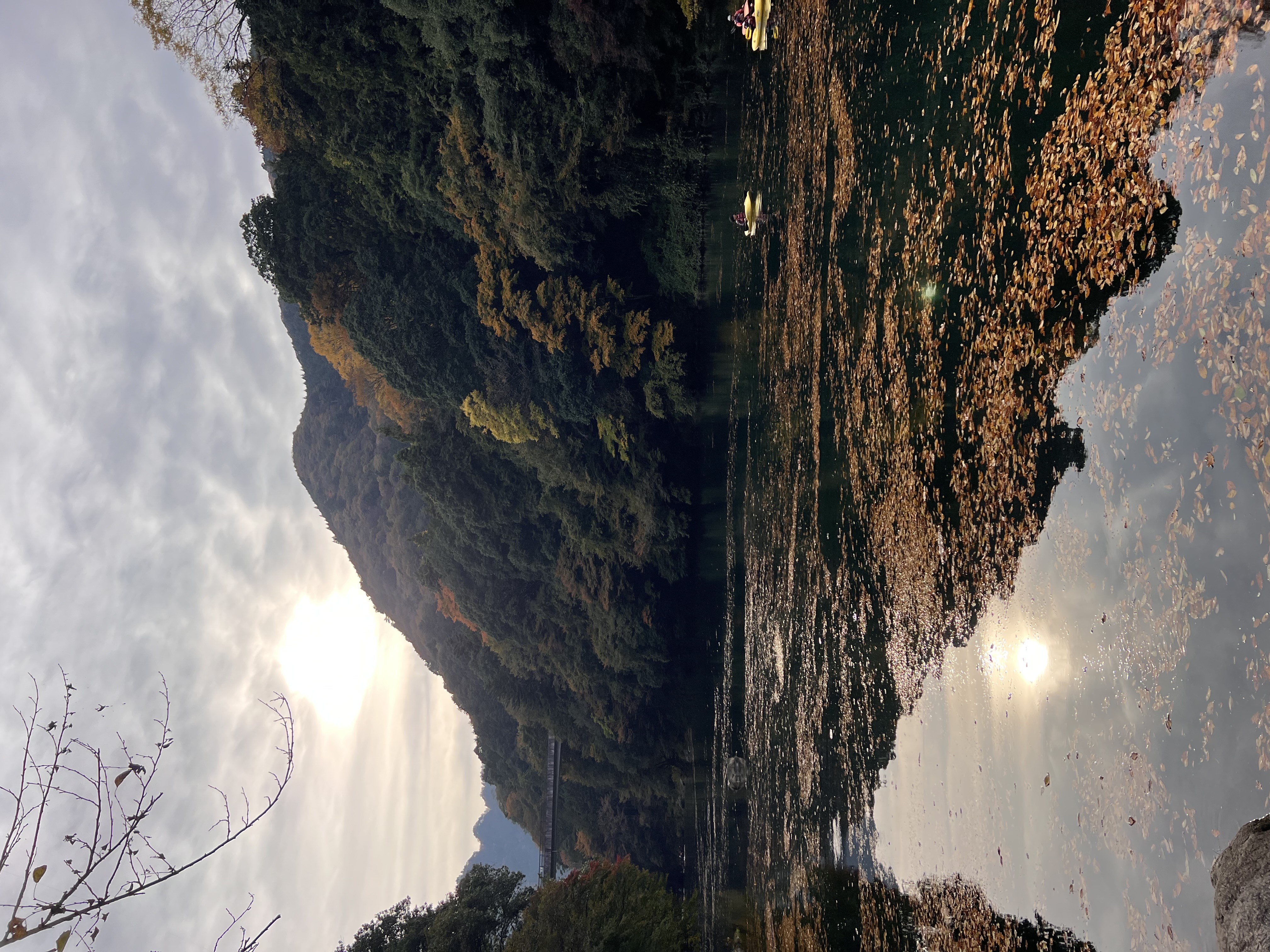
Okutama is about two hours west of Tokyo and is truly one of my favorite recent discoveries. It’s quiet, scenic, and perfect for hiking. I spent a night here on a mountain cabin in autumn and had a grand time. The fall colors had transformed the landscape and the endless mountain ridges offered a fantastic view. I spent the day hiking along Hatonosu Valley, on a trail that runs along the river, had a picnic by the river and later went standup paddleboarding at Lake Shiromaru. I also enjoyed fresh wasabi and bought some wasabi roots to take home with me- this area is known for wasabi farming and farm tours are also available. There are several camping grounds withing Okutama too. It would be an ideal location during summer.
Day Trips
Yokohama
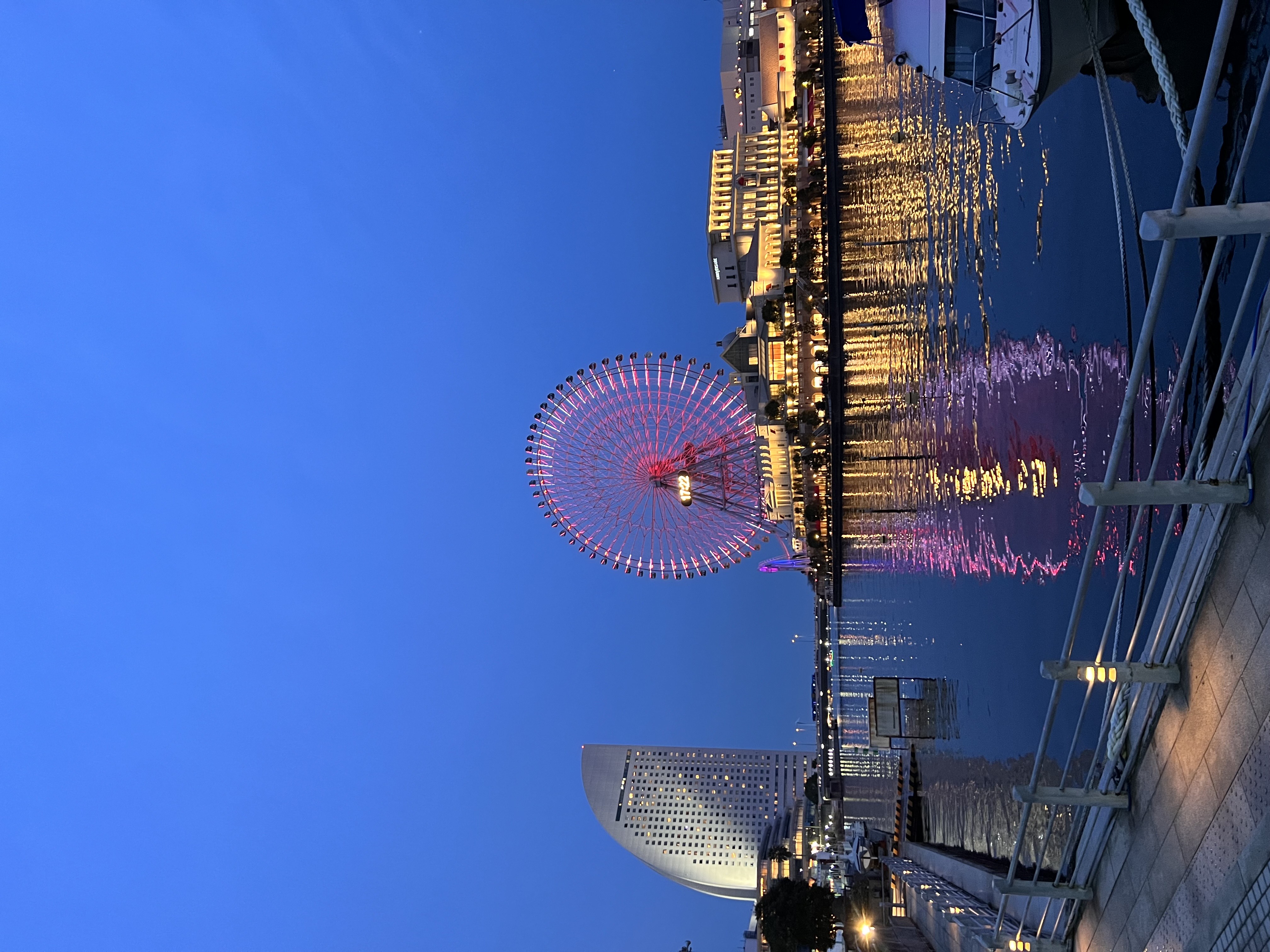
Yokohama is Japan’s second-largest city. It often get's overlooked but it has a lot to offer. Minatomirai is the main area, home to the Red Brick Warehouse that is situated in a stunning marina area. Various festivals like strawberry festival, Oktober fest, Christmas market, concerts etc are held at the Red Brick Warehouse, it's a nice place to explore solo or with friends. Yamashita park is right adjacent to the Red Brick Warehouse overlooking the ocean. It is a great park for picnics and relaxing. The Sankeien Garden in Negishi is beautiful in spring and autumn. You can also visit the Cup Noodles Museum, China Town- the biggest in Japan, and the Ramen Museum all in Yokohama.
Kamakura
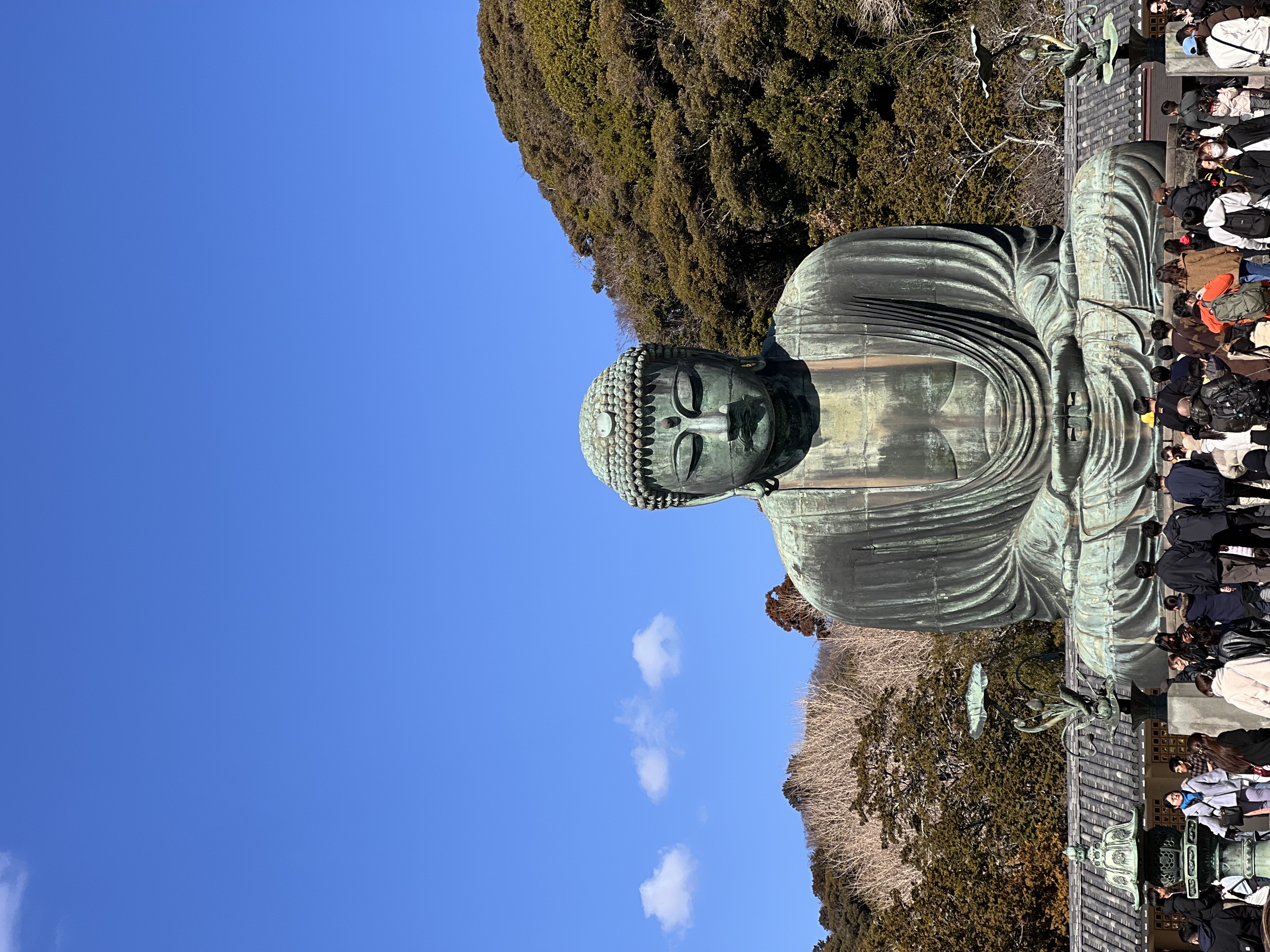
About 30 minutes from Yokohama, Kamakura is a seaside town with temples, shrines, and forested hiking trails. About 5 minutes from Kamakura station is Komachi-dori, it is great for traditional Japanese snacks and cuisines. The Daibutsu Trail- which is my favorite hiking trail- passes near the ocean, the Great Buddha and a couple of historical shrines and temples. There are also lovely hidden cafés — my favorite ones being Cafe Kaeru, Garden House Kamakura and Book Cafe So Common( I found a really nice book at this cafe)
The Enoden Line in Kamakura runs through coastal neighborhoods and offers beautiful views. Nearby Enoshima is a popular beach town with restaurants, a shrine, and a spa. Shonan Beach is especially lively in summer.
In my next Japan travel guide, I’ll be covering Hokkaido Prefecture, so stay tuned.